General Surgery
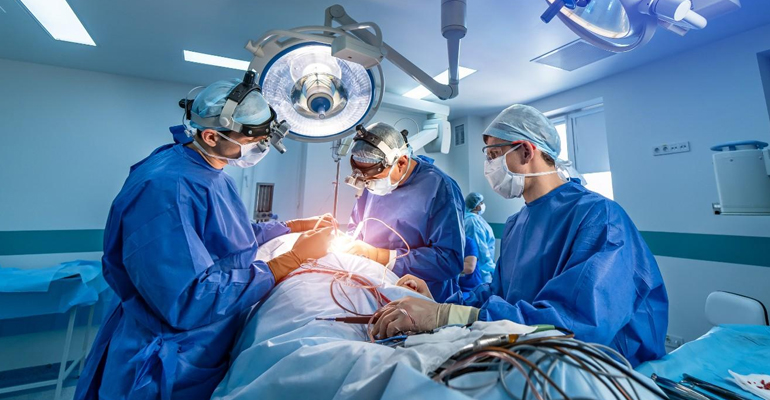
Best General Surgey in Chembur
Piles (hemorrhoids) Treatment
Piles or Hemorrhoids, are swollen veins in the rectum or anus that cause pain, bleeding, itching, or swelling. Treatment depends on severity and symptoms. Mild piles are usually managed with lifestyle and dietary changes. A high-fiber diet, increased water intake, stool softeners, and avoiding straining during bowel movements are the foundation of treatment. Topical creams, suppositories, and sitz baths help reduce pain, itching, and inflammation. If symptoms persist, minimally invasive procedures are recommended.Dr.Dilip Bhosale is one of the Best General Surgery in Chembur.
These procedures are quick, usually painless, and done on an outpatient basis. Advanced or severe piles (grade III or IV), especially those with constant bleeding or prolapse, often require surgery such as hemorrhoidectomy or stapled hemorrhoidopexy. Surgery provides long-term relief but involves a longer recovery period. Ignoring piles can lead to anemia, infection, or thrombosis, so timely treatment is important for comfort and quality of life.
These include rubber band ligation (cutting off blood supply to the pile), sclerotherapy (injecting a solution to shrink it), infrared coagulation, or Laser Treatment.These procedures are quick, usually painless, and done on an outpatient basis.Advanced or severe piles (grade III or IV), especially those with constant bleeding or prolapse, often require surgery such as hemorrhoidectomy or stapled hemorrhoidopexy. Surgery provides long-term relief but involves a longer recovery period. Ignoring piles can lead to anemia, infection, or thrombosis, so timely treatment is important for comfort and quality of life.
Breast Lumps
Breast lumps are localized swellings or thickened areas felt in breast tissue. They can arise from benign causes like cysts, fibroadenomas, hormonal changes, infections, or injury, especially around menstrual cycles. Some lumps feel smooth and mobile; others may be firm or tender. While most breast lumps are noncancerous, a small proportion can signal breast cancer, particularly if hard, painless, irregular, or associated with skin changes,nipple discharge, or persistent growth. Early evaluation is essential. Clinical examination, imaging such as ultrasound or mammography, and sometimes biopsy help determine the cause and guide appropriate treatment or reassurance for patients and healthcare providers.
Enlarged Lymp Node
Enlarged lymph nodes, also called lymphadenopathy, occur when lymph nodes increase in size due to infection, inflammation, or disease. Lymph nodes are small, bean-shaped structures that help the immune system filter harmful substances. They commonly enlarge during infections such as colds, Throat Infections, or skin wounds as the body fights germs. In most cases, the swelling is temporary and painless or mildly tender. However, persistent, hard, painless, or rapidly growing lymph nodes may indicate serious conditions like tuberculosis, autoimmune disorders, or cancer.
Tumor and Cysts
Tumors and cysts are abnormal growths in the body but differ in nature. A tumor is a solid mass of tissue formed by uncontrolled cell growth.Tumors may be benign (noncancerous) or malignant (cancerous) and can affect surrounding tissues.A Cyst is a closed, sac-like structure filled with fluid, air, or semi-solid material and is usually benign. Cysts often develop due to infections, blocked ducts, or developmental issues. While many tumors and cysts cause no symptoms, others may cause pain, swelling, or pressure.
Frequently asked Question
1)What is General Surgery?
General surgery focuses on diagnosing and treating conditions that usually require surgical intervention, especially involving the abdomen, digestive system, skin, soft tissues, breast, and endocrine organs.
2)What conditions do general surgeons treat?
- General surgeons commonly manage
- Appendix problems (appendicitis)
- Hernias (inguinal, umbilical, incisional)
- Gallbladder diseases (gallstones)
- Piles (hemorrhoids), fissures, and fistulas
- Breast lumps and breast infections
- Thyroid and other endocrine disorders
- Intestinal obstruction
- Abscesses, cysts, and soft tissue tumors
- Trauma and emergency surgical conditions
3)Do all conditions require surgery?
No.Many conditions are first treated with medications or lifestyle changes. Surgery is advised only when it is the safest and most effective option.
4)What is minimally invasive (laparoscopic) surgery?
- Laparoscopic surgery uses small incisions, a camera, and specialized instruments.
- Benefits include
- Less pain
- Faster recovery
- Smaller scars
- Shorter hospital stay
5)Is general surgery safe?
Yes.Modern surgical techniques, anesthesia, and monitoring have made general surgery very safe. Your surgeon will explain all risks and benefits before the procedure.
6)How should I prepare for surgery?
- Preparation may include
- Blood tests and imaging
- Fasting before surgery
- Stopping certain medications
7)How Long is the recovery period?
- Recovery depends on
- Type of surgery
- Your overall health
- Whether the procedure is open or laparoscopic
- Minor surgeries may need a few days, while major surgeries may take several weeks.
8)Will I need to stay in the hospital?
Some procedures are day-care surgeries, while others require short hospital stays. Your surgeon will inform you in advance.