Pilonidal Sinus Treatment
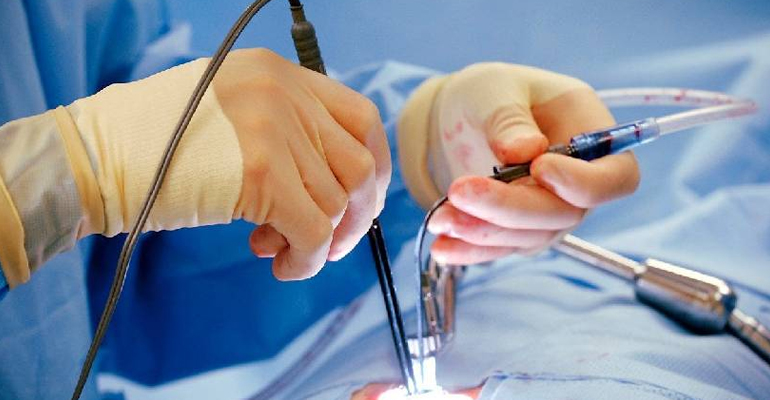
Best Pilonidal Sinus Treatment in Chembur
A Pilonidal sinus is a small but often painful abnormal tract or cavity that develops at the top of the buttock crease. It usually forms when loose hair, dirt, and debris get trapped in hair follicles, leading to a cyst or abscess. Over time, this area can become infected, causing pus or blood discharge and recurring Inflammation.Young adults—especially men—are more commonly affected. If left untreated, the condition can turn chronic, which is why seeking the Best Pilonidal Sinus Treatment in Chembur at the right time is crucial for long-term relief and prevention of repeated infections.
Who Might Get Pilonidal sinus
Pilonidal sinus most commonly affects people between 15 and 35 years of age, particularly men. Individuals who sit for long hours—such as drivers, students, and office workers—face a higher risk. Excessive Sweating, coarse body hair, Poor Hygiene, obesity, and a deep natal cleft further increase the chances of developing this condition. A family history can also play a role. It’s important to understand that pilonidal sinus is related to lifestyle and anatomy, not something present from birth, and timely evaluation at a center offering the Best Pilonidal Sinus Treatment in Chembur can prevent complications.
Treatment?
Treatment for pilonidal sinus depends on the severity of infection and whether the condition is recurrent. Early or mild cases may be managed with antibiotics, pain relief, hair removal, and strict hygiene—but these measures only control infection and do not eliminate the sinus. If an abscess forms, incision and drainage are necessary to relieve Pain and Discharge. Chronic or recurrent cases usually require surgery, which remains the only permanent solution. Options include sinus excision, flap procedures, and newer minimally invasive techniques like laser ablation or endoscopic treatment. Choosing the Best Pilonidal sinus treatment in Chembur ensures access to advanced techniques that reduce pain, healing time, and recurrence.
Symptoms of Pilonidal Sinus
Symptoms of pilonidal sinus vary depending on the stage of the condition, but they often start subtly and worsen if ignored. Common signs include pain and tenderness near the tailbone, especially while sitting or bending, along with redness, swelling, or a small opening in the skin. When Infection sets in, symptoms escalate to severe pain, warmth, pus or blood discharge with a foul smell, and sometimes fever or fatigue. Chronic cases may repeatedly flare up and drain, making daily life uncomfortable.Early diagnosis and the Best Pilonidal sinus treatment in Chembur can stop this cycle and restore normal comfort and mobility.
Cause of Pilonidal Sinus
A pilonidal sinus develops mainly because loose hair penetrates the skin in the cleft between the buttocks. Friction from sitting, walking, or tight clothing drives hair shafts into the skin like tiny needles. The body treats these hairs as foreign objects, triggering inflammation and infection, which leads to a sinus tract or abscess.
Several risk factors increase the chances of this happening. Excess body hair, especially coarse hair, is a major contributor. Poor hygiene allows sweat and debris to accumulate, making the skin softer and easier to penetrate.Prolonged sitting—common in students, drivers, and desk workers—adds pressure and friction. Obesity deepens the natal cleft, trapping hair and moisture. Hormonal changes during adolescence and early adulthood increase hair growth and sweat production, explaining why the condition is more common in young adults, especially males.Schedule an Appointment with Best Pilonidal Sinus Treatment in Chembur
In short, pilonidal sinus is not a birth defect—it’s largely a mechanical and lifestyle-related problem caused by hair, friction, pressure, and infection working together.
Benefits of Laser Surgery
Laser surgery has changed the game for Pilonidal sinus treatment—and for good reason. After laser treatment, patients usually experience much faster healing compared to traditional open surgery. Because the procedure is minimally invasive, there’s less tissue damage, which directly translates to reduced pain, minimal bleeding, and smaller wounds.
Another big win is the lower risk of infection and recurrence. The laser precisely targets and destroys the sinus tract and hair follicles, which are the root cause of the problem, while preserving healthy surrounding tissue. This accuracy helps prevent the condition from coming back.
Recovery is also dramatically easier. Most patients can return to daily activities within a few days, not weeks. There’s no need for prolonged wound care or painful dressings, which improves overall comfort and quality of life.
Advantages of Laser Proctology
-
Day-care procedures (discharge on the same day)
-
Minimal pain and bleeding
-
No stitches and smaller wounds
-
Faster recovery and early return to work
-
Reduced recurrence rates
-
Improved patient comfort and safety
Laser Equipments
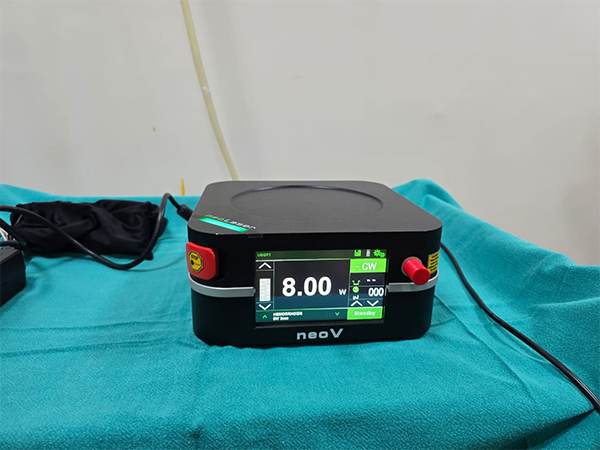
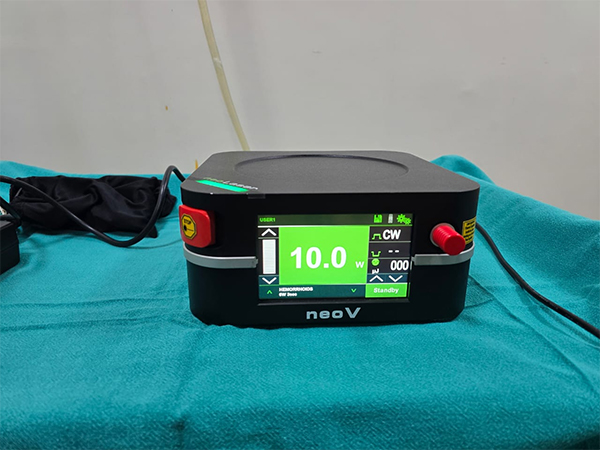
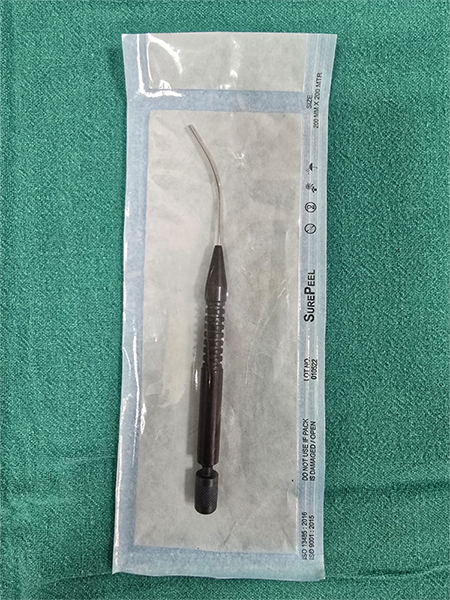
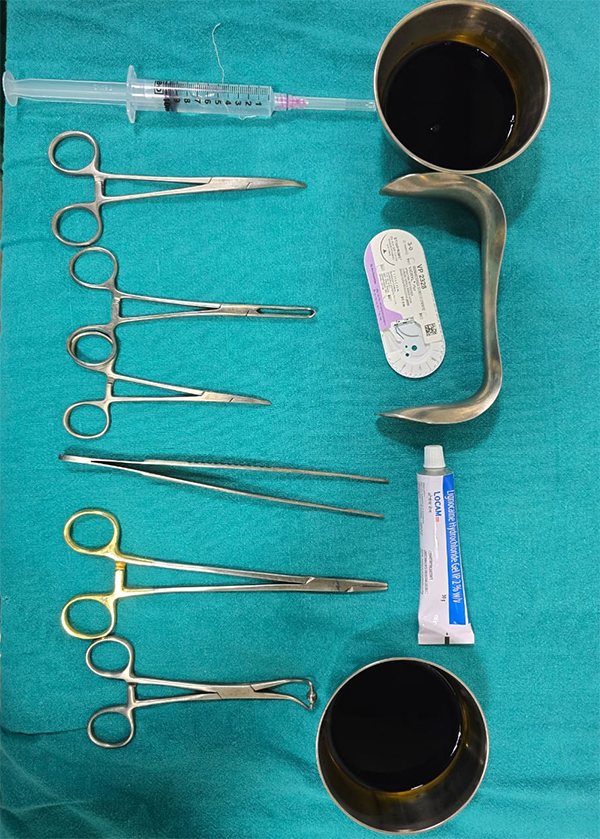
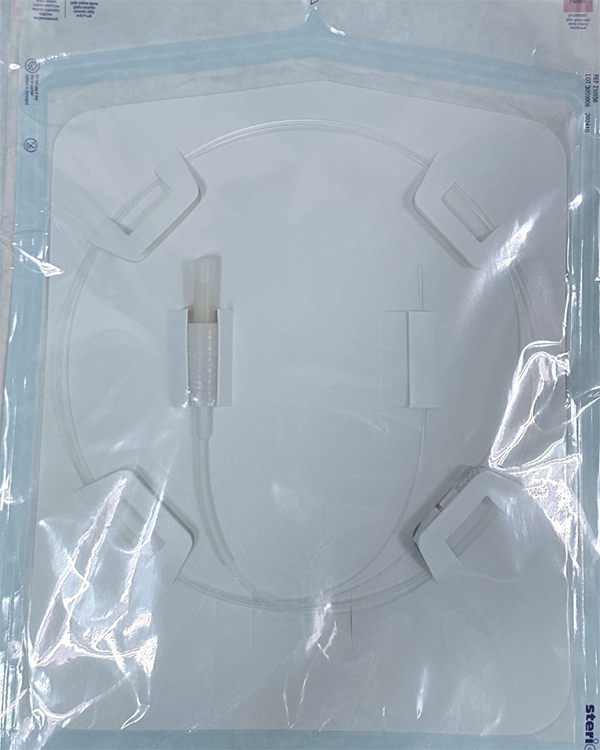
Pilonidal Sinus Treatment
Pilonidal Sinus Treatment depends on severity.In early or mild cases,treatment includes keeping the area clean, hair removal, warm compresses, and antibiotics if infection is present. If an abscess forms, incision and drainage are required to release pus and reduce pain. Chronic or recurrent pilonidal sinus usually needs surgery to remove the sinus tract completely. Surgical options range from simple excision to flap procedures that flatten the cleft and reduce recurrence.After treatment, good hygiene,regular hair removal, avoiding prolonged sitting, and proper wound care are essential to prevent the condition from coming back.